 aivideo.zone
 Kling 4.0 vs Kling 3.0: what actually changes
Kling's comparisonKling 4.0 against the 3.0 series, in Kling's own table
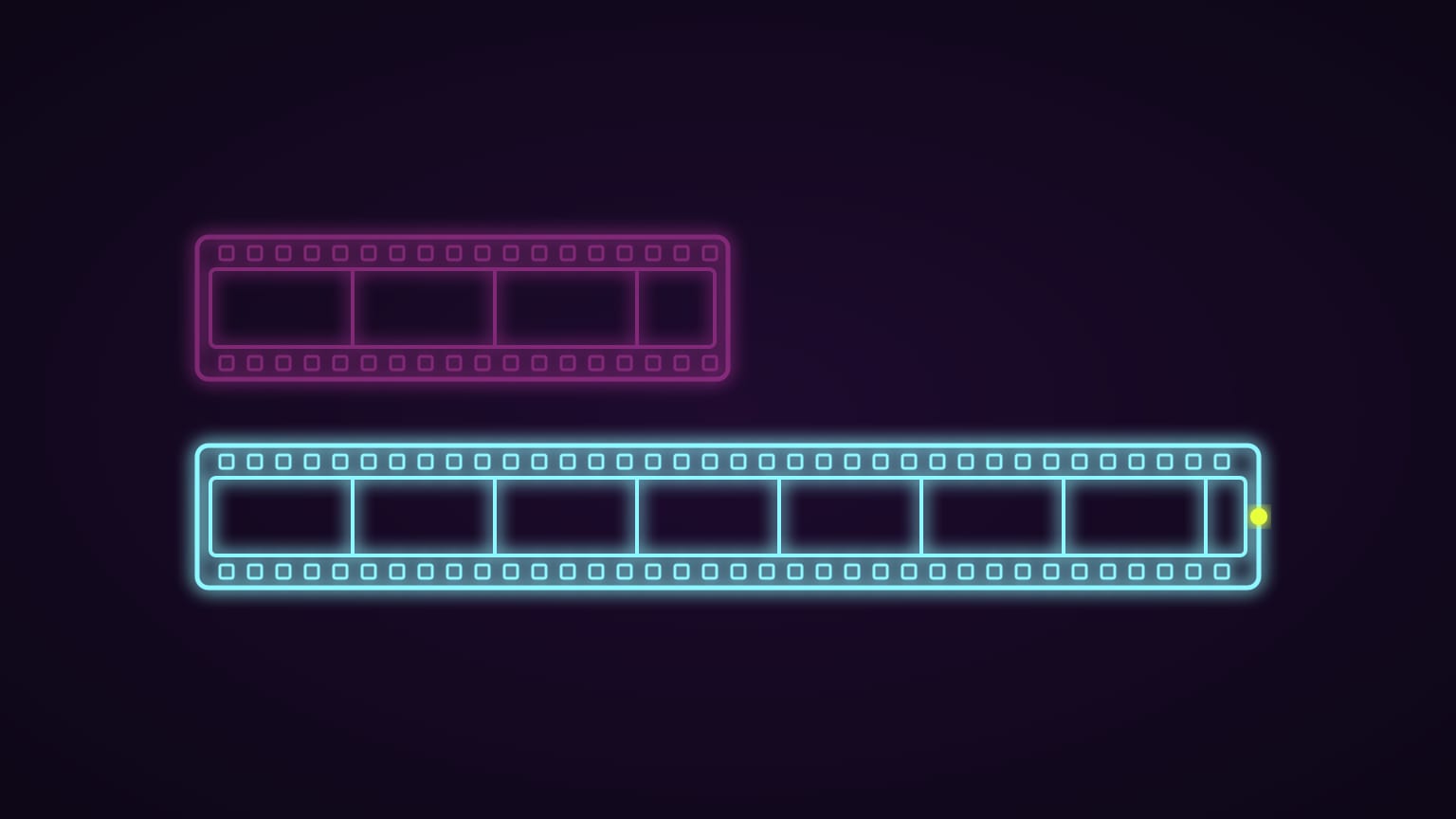
Kling published its own comparison of 4.0 against the 3.0 series on 30 September. Most of the headline numbers moved; a few did not, and those matter as much when deciding whether to wait for 4.0.
Length: up to 30 seconds
Kling 3.0 generated 3 to 15 seconds. Kling 4.0 generates 3 to 30 seconds natively — long enough for a scene with a beginning, a turn and an end in one clip rather than three stitched together.
Keyframes: from two to ten
3.0 had start and end frames and nothing in between. 4.0 keeps those and adds multiple keyframes, up to ten: images pinned to moments in the clip that the model has to pass through. That is the change that turns a prompt into something closer to a storyboard.
Picture: same resolutions, deeper colour
Resolution does not change: 720p, 1080p and 4K in both. What changes is dynamic range, from 8-bit SDR to 10-bit HDR at 1080p and 4K — though Kling's announcement describes HDR as coming soon rather than available now. 4.0 also adds 21:9 ultrawide to the standard aspect ratios.
Sound: stereo
3.0's audio was single-channel. 4.0's is two-channel stereo, and spoken languages grow from Chinese, English, Japanese, Korean and Spanish to add Portuguese, German, French, Hindi and more.
References: up to fifteen
This is the largest jump. 3.0 took up to seven images or subjects, or one video of up to 15 seconds plus four images or subjects. 4.0 takes up to fifteen reference assets in one generation: up to ten images, seven subjects, and five videos totalling 30 seconds.
Editing: one workflow
In 3.0, editing lived in separate Omni workflows. 4.0 folds text-to-video, image-to-video, references, continuation and editing into one multimodal workflow.
When you can use it
Kling says 4.0 Flash went to a limited group of users for early access on 28 September, and the full version launches in October. Until then, 3.0 is what most accounts have, and nothing in the table makes a 3.0 project obsolete — a fifteen-second clip with start and end frames is still that.
Kling 4.0 vs Kling 3.0: what actually changes: questions
How long can a Kling 4.0 video be?
From 3 to 30 seconds, generated natively. Kling 3.0 went up to 15 seconds.
Does Kling 4.0 support 4K?
Yes, at 720p, 1080p and 4K — the same resolutions as 3.0. 10-bit HDR at 1080p and 4K is new in 4.0; Kling's announcement describes it as coming soon.
How many reference images does Kling 4.0 take?
Up to ten images and seven subjects, plus up to five reference videos totalling 30 seconds — no more than fifteen assets in one generation.
Is Kling 4.0 available now?
Kling 4.0 Flash has been in early access for a limited group since 28 September 2026. Kling says the full version launches in October.
Source: Kling AI checked against the source
More AI video news
After Sora: the AI video APIs still taking requests
OpenAI switched off the Sora 2 API on 24 September with no replacement named. Four AI video APIs a Sora integration can move to — xAI, Google, MiniMax and Kling — and what each one asks of you.
One scene, three prompt formats
A screenwriter's guide to the three ways AI video models want a scene written: LTX reads a flowing paragraph, MiniMax H3 a tagged shot list with timed cuts, Kling a timeline pinned to keyframes. The same scene in each.
Writing a shot list for Kling 4.0's ten keyframes
Kling 4.0 lets one 30-second AI video pass through up to ten pinned keyframes, with a prompt of up to 8,000 tokens to carry it between them. How Kling's guide says to plan that, written up for screenwriters.